
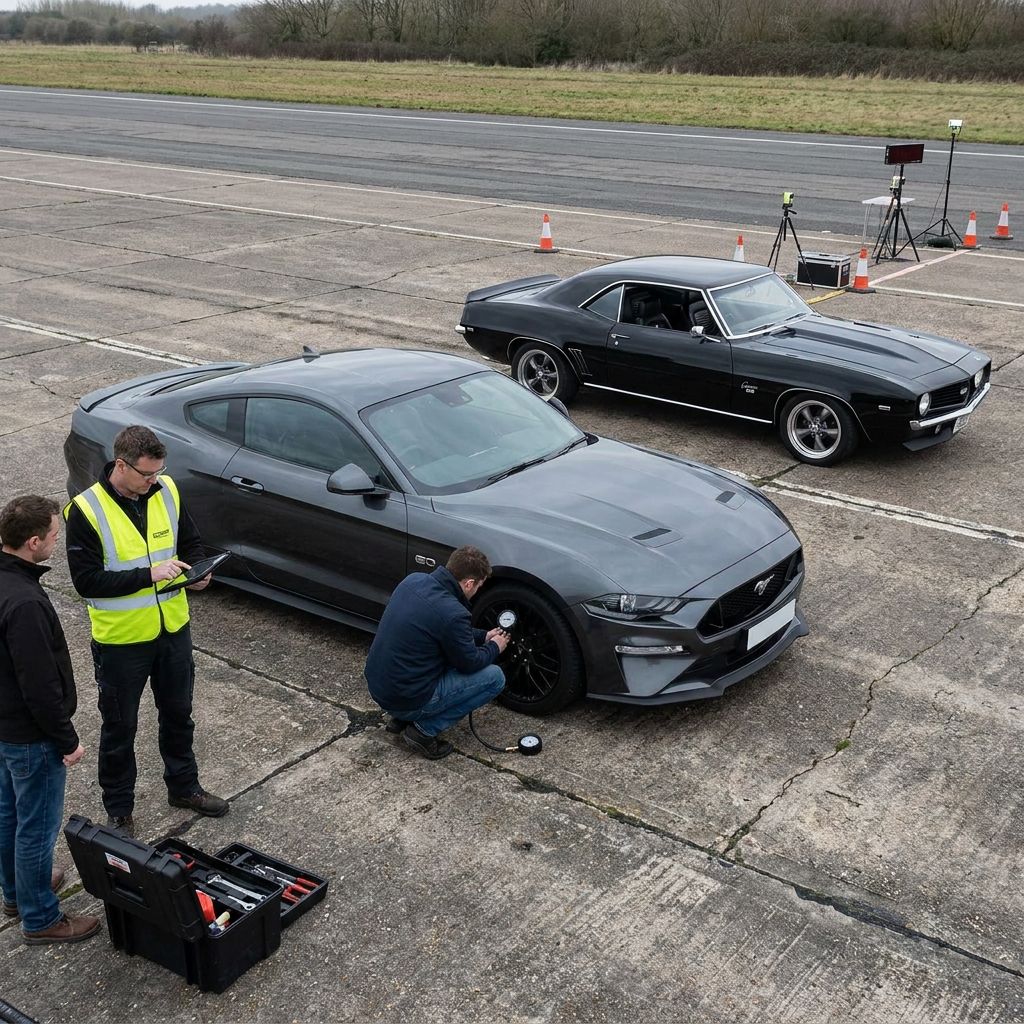
The real difference in a 5. 0 Mustang vs SS Camaro comparison comes down to year, transmission, and chassis packages—match tires and setup first.
How to read a 5.0 Mustang vs SS Camaro comparison
There isn’t one "winner" that’s always right. This comparison changes dramatically based on three variables that matter more than brochure numbers: transmission (manual vs automatic, and which automatic), chassis packages (suspension, brakes, differential, tires), and test conditions (temperature, surface, launch method). Two online tests can look contradictory while actually measuring different cars—or the same car in conditions that favor opposite strengths.
A useful way to frame it starts with one question: is your use case more "street passing and short bursts" or more "precise, repeatable driving" (even without a track)? In the first case, midrange response and traction management matter most; in the second, you care about grip, steering response, and brakes that feel the same after repeated use. The classic "SS Camaro vs 5.0 Mustang" argument often happens because people are judging different criteria without saying so.
- Before comparing times, lock down year, transmission, and package—this explains most discrepancies.
- Separate "one good run" performance from repeatable performance—brakes and heat management can matter more than you’d expect.
- For daily driving, visibility, ergonomics, and comfort are differences you feel every day, not every weekend.
Quick orientation before getting technical: "5.0" usually refers to the modern Ford Mustang GT‘s Coyote V8; "SS" usually refers to the modern Chevrolet Camaro SS’s LT1 V8. When searches mix in "1969 Camaro vs Mustang" or "1969 Mustang vs Camaro," they’re jumping between eras with completely different chassis, brakes, safety expectations, and tires. Here, the goal is a sensible comparison between recent generations—and avoiding the traps that come with recycled labels.
What you’re actually comparing: years, trims, and why numbers don’t match
The most common problem in "Chevrolet Camaro vs Mustang muscle car comparisons" is vagueness. Saying "Mustang GT" and "Camaro SS" is still too broad: gearing, software, curb weight, equipment, and especially tires can change. Even with the same engine, a wider, more performance-focused tire changes launch traction and corner confidence; a better differential makes it easier to put power down cleanly on corner exit; more heat-resistant brakes keep the car consistent after repeated hard stops.
To reduce ambiguity, set a minimum perimeter before arguing about which is "better." Three practical examples of how confusion happens:
- Same model, different transmissions: a quicker-shifting automatic can improve 0–60 and rolling acceleration, but that says nothing about feel and control in corners.
- Handling-oriented packages: suspension and brakes can turn a "straight-line strong" car into something more precise and repeatable.
- Non-comparable tests: a high-grip launch surface rewards traction; cold asphalt hurts both, but not always equally.
When you see a query like "2019 Chevy Camaro vs 2019 Ford Mustang," at least the year is clear. Even then, the decisive question remains: which transmission and which configuration? Without those two lines of context, acceleration results and "how it handles" opinions become stories, not data.
Another source of mismatch is how the engines feel. The Coyote 5.0 and the LT1 have different personalities: it’s not just peak power, it’s how the power arrives and how the transmission uses it. On the street, that translates into how often you shift, how "full" it feels in the midrange, and how easy it is to find traction when you roll into the throttle in second or third. Those sensations can decide preference even when the headline numbers are close.
Finally, the classic generations. "1969 Camaro vs Mustang" is iconic, but it’s not comparable to a modern 5.0 Mustang vs SS Camaro: chassis design, brakes, safety, tire technology, and manufacturing tolerances are a different world. It’s worth mentioning as culture, not as a shortcut for choosing between today’s cars.
Performance and dynamics: launch, rolling acceleration, braking, and repeatability
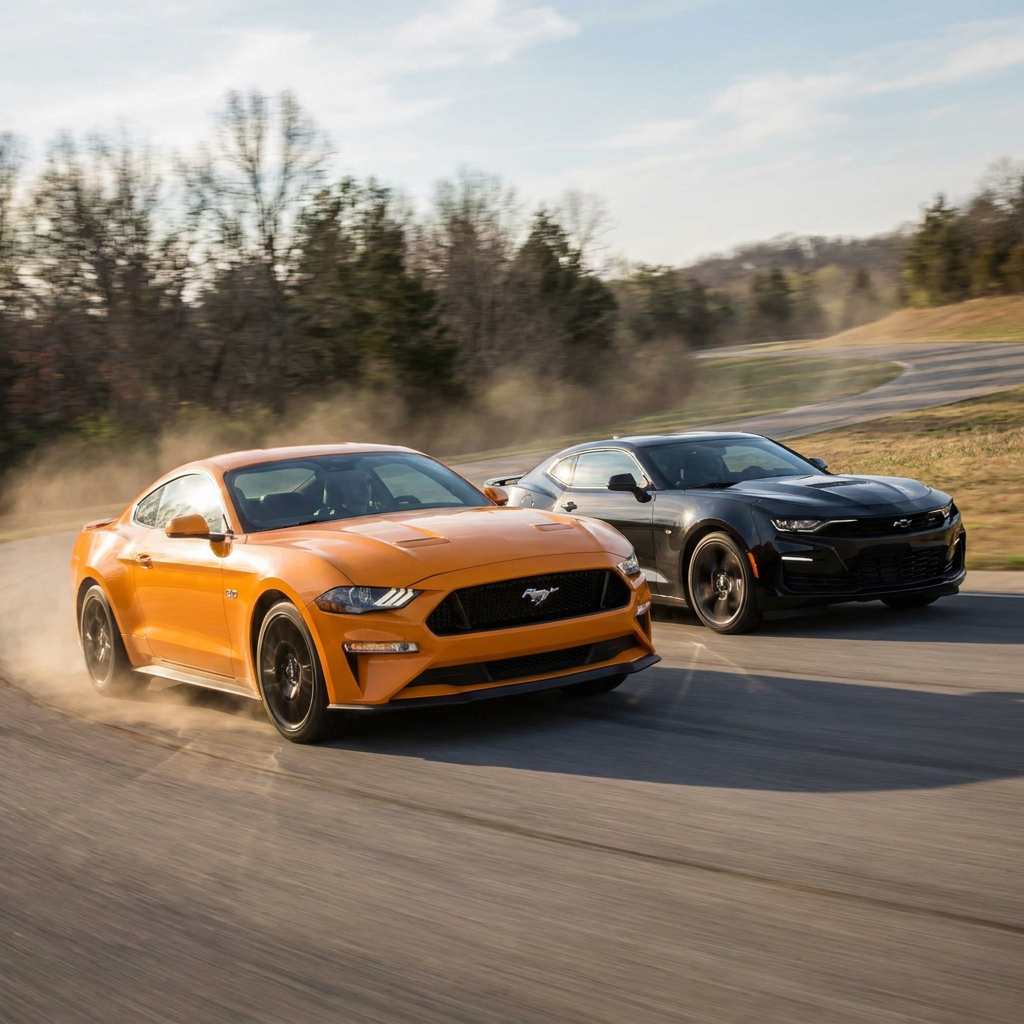
In this debate, people often get stuck on one number: 0–60 or quarter-mile. It’s understandable, but incomplete. On real roads, at least four layers matter: standing start (traction and wheelspin control), rolling acceleration (usable torque and gearing), braking (distance and consistency), and what happens when you repeat the same maneuver multiple times.
Standing-start acceleration is the most "fragile" metric. It changes a lot with tires, temperature, and surface quality. A small difference in grip can cost more time than a faster-shifting transmission can save. So when you watch "SS Camaro vs 5.0 Mustang" comparisons, ask: were the cars on performance-oriented tires or more touring-focused rubber? Was the surface cold? Is it one "hero run" or an average?
Rolling acceleration is often more representative of daily driving. Two elements matter most:
- Perceived power delivery: "more power" doesn’t help if it’s not easy to access in the gear you actually use.
- Gear choice: a transmission that downshifts decisively can feel more immediate, but it can also disrupt rhythm in smooth driving.
Braking is the big blind spot—and it’s what builds confidence. It’s not enough for the brakes to be strong once. If the pedal feel changes after two or three hard stops, your driving changes. "Repeatability" is the key: how consistent is the car when driven hard for roughly 10–20 minutes on a twisty route? That’s a realistic window even without a track, and it can reveal differences in cooling, pad compounds, sizing, and calibration.
Lateral dynamics aren’t just "grip." They’re also communication: steering, weight transfer, how early you feel the limit, and how progressive it is. One car can be quicker in a single hot lap but more tiring or nervous on broken pavement; another can feel less "sharp" but easier to exploit when the road isn’t perfect. That’s why owners can report opposite experiences while talking about similar models.
A useful comparison isn’t just power: daily life, costs, and reliability as real doubts
People searching "Ford Mustang vs Chevy Camaro which to buy" often underestimate the most practical part: living with it. Visibility, getting in and out, highway noise, control layout, and trunk usefulness can matter more than any tenth in a sprint. You don’t need to choose yet, but you do need to know what to pay attention to during a test drive.
Two areas reveal differences immediately in a 15–30 minute drive: ergonomics and how the car "shrinks" around you. Seat position, steering wheel placement, A-pillar thickness, mirrors, and whether you can place the corners in traffic all affect how big or manageable the car feels. Suspension tuning matters too: a firmer setup can feel great on smooth pavement, but on joints and potholes it can become a daily compromise—especially with large wheels and low-profile tires.
The financial side isn’t just fuel. With modern V8s, the real budget often comes from consumables: performance tires, pads and rotors if you drive hard, and potentially more frequent alignments if you run aggressive geometry. These costs vary a lot by trim and driving style. Insurance can also swing widely depending on driver profile, location, and history—so it’s more useful to think in terms of "your personal order of magnitude" than generic averages.
On reliability, searches like "Mustang vs Camaro reliability" and "JD Power reliability Mustang vs Camaro" point to a specific need: what can annoy you or cost you during ownership, not who "wins" a ranking. Without leaning on questionable league tables, a practical approach is to separate:
- Predictable wear items: brakes, tires, clutches, mounts—parts that suffer if the car is used hard.
- Recurring system issues: electronics, sensors, actuators, noises, or repeated behaviors reported by many owners.
- Neglected maintenance: incomplete service history and old fluids that amplify any weakness.
A frequent question is recalls: "number of recalls Ford Mustang vs Chevrolet Camaro." The raw count doesn’t tell you much unless you look at severity and whether the fix was performed. The practical point when shopping used is verifying service history and documentation consistency. For an official U.S. recall reference, the NHTSA database lets you check campaigns by model/year or VIN via the NHTSA recalls lookup tool.
Context note (useful but not decisive): there’s an accessory that claims compatibility across both lines, the Car Cover Custom Fit for Ford Mustang 1994-2026, for Chevy Camaro 2010-2026, Waterproof All Weather Full Exterior Cover Rain Hail Sun Protector Car Cover with Door Zipper. It doesn’t change the comparison, but it’s a reminder of why year and body style details matter.
Coyote 5.0 and LT1: where the character really changes, gear by gear
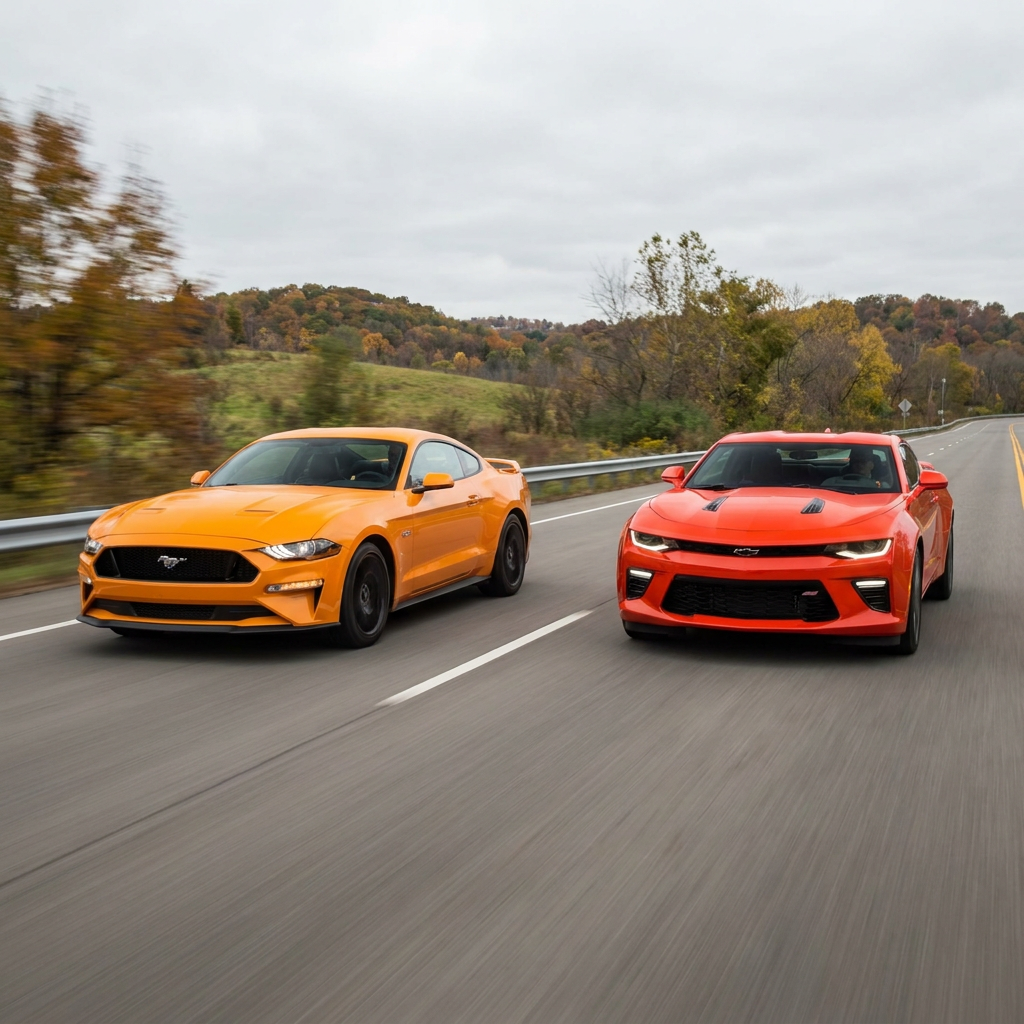
In this matchup, the sensation of "pull" isn’t just peak horsepower—it’s how usable the torque is in the gear you’re actually in. On the street, the difference shows up in three repeated moments: leaving a roundabout in second, passing in third or fourth, and climbing a grade where the engine stays loaded longer. The Coyote 5.0 tends to reward revs; the LT1 often feels fuller in the midrange. That’s not a value judgment—it’s a different profile that changes how often you "work" the gearbox to keep the engine where you want it.
The practical point is that an SS Camaro vs 5.0 Mustang comparison can flip on the same road if the driving strategy changes. A driver who short-shifts and prioritizes smoothness may prefer an engine that fills in earlier; a driver who keeps it higher in the rev range and doesn’t mind more shifts can get more out of a V8 that builds hard up top. That’s why two owners can describe the same pair of cars in opposite ways without either one "making it up."
Another detail that matters more than it seems is final drive and how it fits typical road speeds. If a certain corner is taken at 40–55 mph, the "right" gear changes perceived response. Some configurations leave you between gears: one too short that forces a shift mid-maneuver, one too tall that dulls response. That annoyance matters more in daily driving than a reference time from a single test.
Traction is the other side of character. Rolling into the throttle with some steering angle isn’t just about power—it’s about progressiveness and modulation. Here, the differential and traction control tuning act like multipliers. The same car can feel "more manageable" or "more nervous" not because of the engine, but because of how torque is distributed and how transparently the system intervenes.
- Urban driving and short passes: the best feel comes when the car responds without needing two downshifts; midrange profile and shift logic matter more than peak power.
- Hilly roads: if you drive "on rhythm," matching gear to typical speed reduces corrections and mid-corner shifts.
- Variable grip surfaces: throttle progressiveness and differential quality matter more than the horsepower number.
Manual vs automatic: where you gain time and where you lose control
In this comparison, transmission choice is often the most "efficient" variable for changing results: with the same car, a modern automatic can improve 0–60 and rolling acceleration by removing hesitation and making execution repeatable. In many tests, the difference between a clean shift and a slightly messy one matters more than people expect. On a short acceleration run, an imperfect shift can cost time; across multiple pulls, the effect stacks and changes the story.
The flip side is that time gained doesn’t always equal driving quality for someone who wants involvement. A manual can be slower on a stopwatch but more readable near the limit—especially when you want to hold a gear through a corner without the car deciding to upshift or downshift at the wrong moment. You feel it on corner exit: with an automatic, if the logic triggers a downshift when grip is already marginal, the torque transition can make the car more demanding; with a manual, torque delivery can stay more predictable for a given throttle position.
Manual mode in automatics helps, but it doesn’t always eliminate intervention. Some transmissions protect the engine and will override you anyway; others give more freedom but require attention to avoid falling out of the useful power band. That’s why choosing "Ford Mustang vs Chevy Camaro which to buy" based only on times can lead you to buy the transmission that’s right for a video, not for your use.
In SS Camaro vs 5.0 Mustang discussions, there’s also a heat and consistency angle. In hard driving on twisty roads, an automatic can stay very consistent—but if thermal management triggers protection, behavior can change: softer shifts, less immediate response, sometimes limitations that arrive unexpectedly. It’s not a universal flaw; it’s a reminder not to judge only the first cold run.
Finally, used cars. A mistreated manual leaves different clues than a stressed automatic: high clutch engagement, notchy shifts, synchros that grind when cold; or irregular shifts, delays, and harsh engagement. "Mustang vs Camaro reliability," when you get into real detail, often comes down to this: not the engine itself, but the life the transmission has lived and the quality of maintenance.
Suspension, brakes, and tires: the package that changes after 10–20 minutes
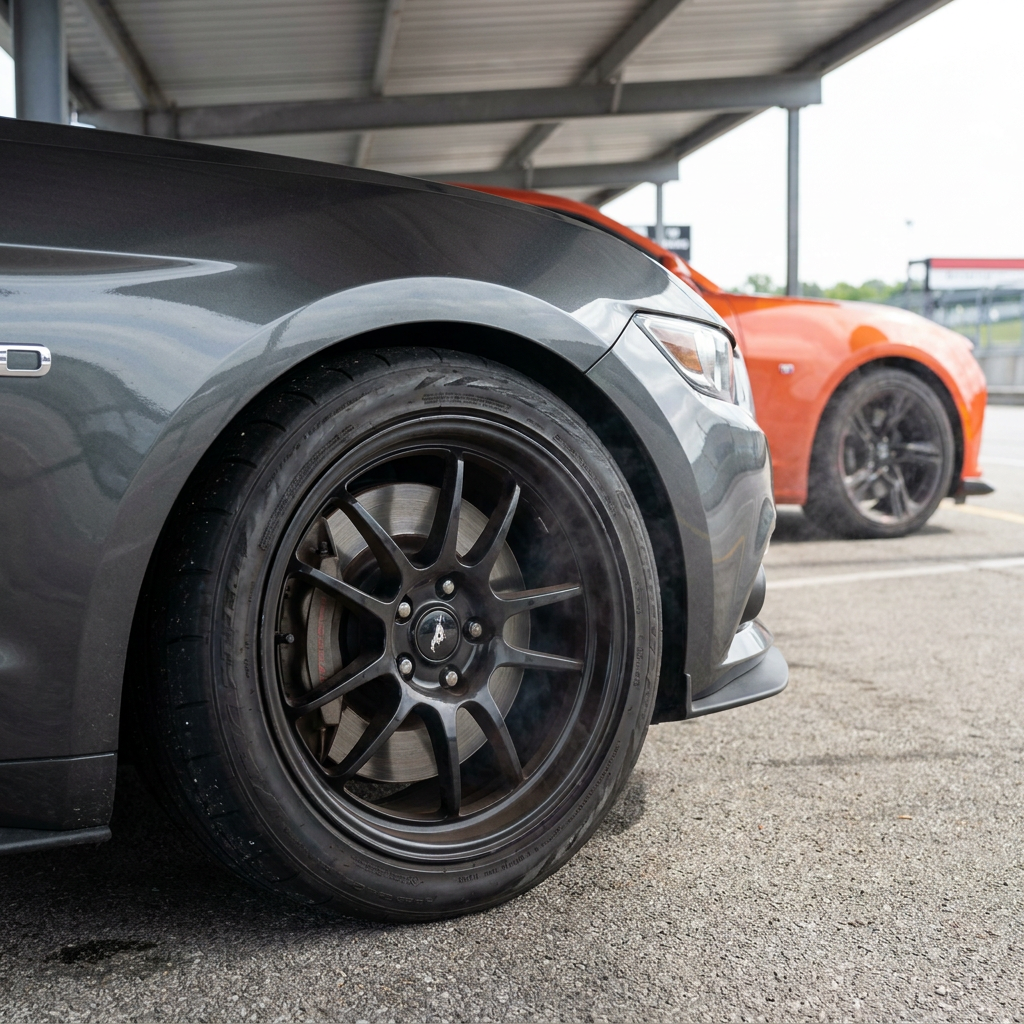
When driving isn’t a single launch but a sequence of corners and braking zones, this matchup becomes a comparison of packages, not engines. The car that feels "better" in the first few minutes can lose consistency after 10–20 minutes of pace: brake pedal travel increases, turn-in gets less precise because the tires overheat, traction control intervenes earlier because grip drops. This is where handling-oriented packages (bigger brakes, cooling, more aggressive geometry, more suitable tires) make a clearer difference than a single acceleration number.
One often-missed point is that a tire doesn’t just "grip." It works within a temperature and pressure window. If the tread gets too hot, the car can feel greasy and vague; if it stays cold, traction on exit suffers and braking distances grow. Even without a track, a committed mountain-road run can show whether the setup stays coherent or changes character. That also explains why some video tests seem incompatible: they’re not measuring the same thermal window or the same tire type.
Braking deserves "owner-level" attention, not stopwatch attention. It’s not enough for the car to stop hard once; it needs to do it the same way on the fifth stop. In the real world, repeatability is safety: if the pedal changes, confidence changes, and entry speed changes. If you’re evaluating a used Mustang 5.0 or Camaro SS, look for concrete signs: vibration under braking (warped or uneven rotors), persistent smell after a short drive (overheating), or uneven pad wear inner vs outer (alignment issues or calipers not working correctly).
In this block, "Chevrolet Camaro vs Mustang muscle car comparisons" only becomes useful if you focus on configuration. A car on comfort-oriented tires and standard brakes can feel "less precise" not because the chassis is worse, but because it was chosen for a different use profile. Conversely, a stiffer, better-tired trim can be tiring in the city but consistent when you raise the pace.
| Real-World Situation | What Matters Most | Impact on a 5.0 Mustang vs SS Camaro comparison |
|---|---|---|
| Fast twisty roads with repeated hard braking | Brake consistency and heat management | The difference shows after 10–20 minutes, not on the first "good" run |
| Broken pavement and expansion joints | Spring/damper tuning, tire sidewall, compliance | A stiffer setup can lose speed and comfort even if it "feels" sportier |
| Slow exits with throttle while still loaded | Differential behavior and torque progressiveness | Perceived traction changes more with the package than the engine |
| Daily driving in rain or cold | Tire type and stability/traction calibration | Video performance becomes less representative if the tire isn’t in its window |
Reliability and longevity: how to read signals without picking sides
Searches like "Mustang vs Camaro reliability" and "high mileage Mustang vs Camaro longevity" point to a clear concern: what it really costs to keep the car for years, not just to buy it. In a modern V8 comparison, the core mechanicals can hold up well with proper maintenance, but the difference between a trouble-free example and a problematic one often comes down to how it was used and how heavily it was modified. A car with intake/exhaust changes, tuning, and different tires isn’t "the same car" as a stock comparison—and it doesn’t have the same predictability for long-term ownership.
A useful way to interpret "J.D. Power Mustang vs Camaro reliability" type queries is to separate three layers: perceived quality (rattles, trim, control feel), failures that actually stop the car (pumps, critical sensors, cooling components, actuators), and accelerated wear costs (brakes, tires, clutch, mounts). Aggregate rankings can mix these together; in ownership, they don’t carry the same weight. A rattle is annoying; overheating or a slipping transmission changes your budget and your use.
On recalls, the number alone is still noisy. "Number of recalls Ford Mustang vs Chevrolet Camaro" becomes informative only if you check severity, whether the campaign was completed, and whether documentation exists. The best verification is always by VIN in the official database for the country of registration; if the car is from the U.S., checking the NHTSA portal is sensible, but it doesn’t replace service records and invoices.
In used-car reality, the signals worth the most attention are the ones that predict expense. Some show up in minutes; others need a longer 30–40 minute drive across different conditions (city, highway, a few firm stops). A short, high-yield checklist to avoid "gut feeling" decisions:
- Cold start and idle: hunting idle, persistent metallic noises, warning lights that appear and disappear.
- Temperature stability: readings that climb abnormally in traffic, fans running constantly at high speed, sweet coolant smells.
- Transmission under load: in an automatic, harsh or delayed shifts; in a manual, stiff engagement and a clutch that bites very high.
- Braking after repeats: pedal travel changes or vibration; steering pull under braking.
- Signs of modifications: non-OEM wiring, aftermarket parts without documentation, "tuned" claims that can’t be verified.
The point isn’t that one of these cars is "unreliable" by definition. In 5.0 Mustang vs SS Camaro, the real divider is often how close the specific example is to a normal life: documented maintenance, completed campaigns, and modifications that are declared and coherent. Without that, any comparison loses value because you’re comparing usage history, not engineering.
The choice changes more with priorities than with numbers
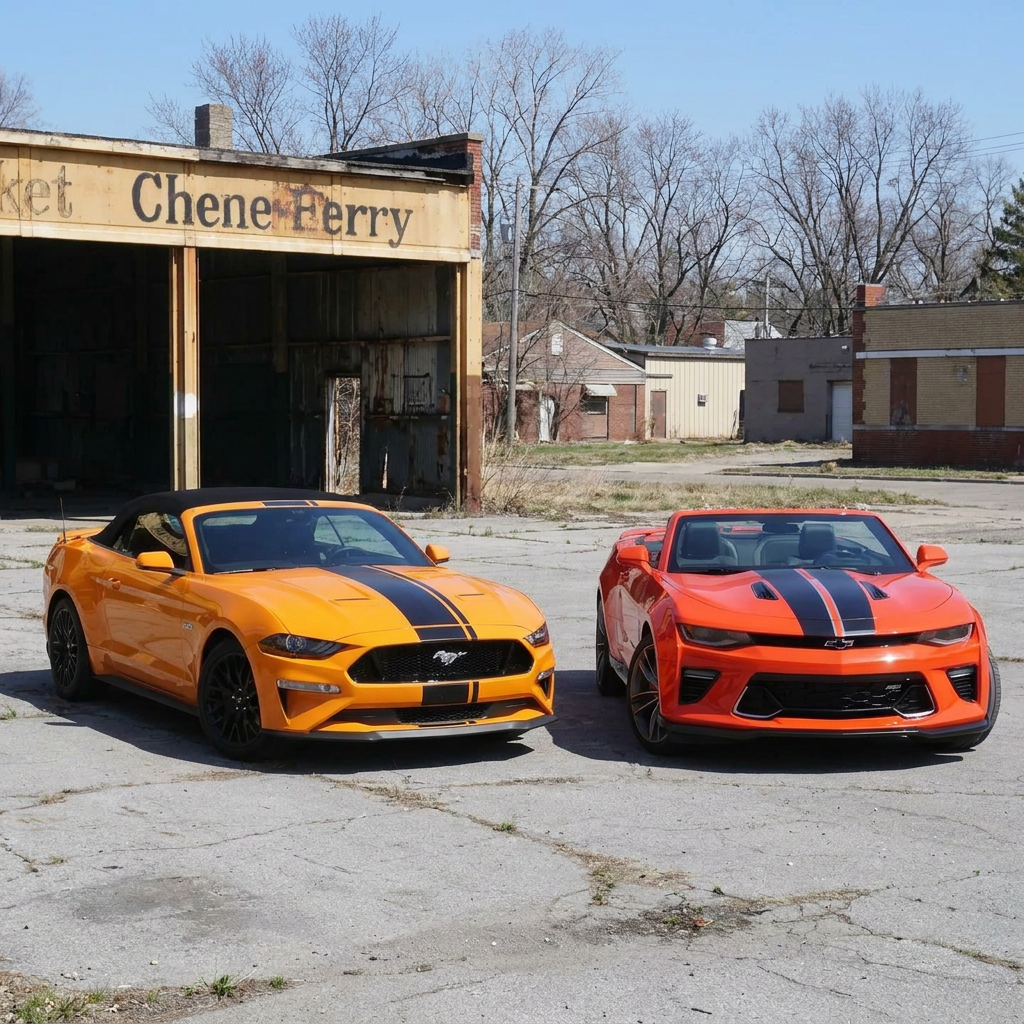
In this decision, the most solid outcome comes from accepting something simple: you’re not choosing "the fastest," you’re choosing which kind of experience you want to repeat every week. If your priority is throttle response that encourages revs and active shifting, the Mustang 5.0 often feels more rewarding; if you want a stronger sense of shove in the midrange and speed without constantly working the gearbox, the Camaro SS can feel more natural. Neither approach is universally better—these are two different ways of turning power into driving.
The part that prevents regret is matching your real use case to the configuration you’re considering. You don’t need to turn the comparison into a spreadsheet, but it helps to set three personal constraints before you watch tests or browse listings: how much city driving you do, how much rough pavement you can tolerate, and how much you value turn-in precision versus easy rolling acceleration. Once those are clear, a lot of online debate becomes background noise.
A practical rule: if the purchase is driven mainly by "video acceleration" numbers, the odds of disappointment in daily use go up. The editorial point is straightforward: in SS Camaro vs 5.0 Mustang, choosing based on one time is the fastest way to buy the right car for someone else. A more coherent choice is the one that still feels right at normal speeds, in traffic, in imperfect temperatures, and on imperfect pavement.
| Real Priority | More Coherent Direction | Why in a 5.0 Mustang vs SS Camaro context |
|---|---|---|
| High-rev involvement and a character that builds up top | Mustang 5.0 | More rewarding when you use the top end and drive actively |
| Strong midrange shove and rolling speed without constant shifting | Camaro SS | Feels natural if you want fuller response without working the gearbox as much |
| Daily driving with comfort and practicality in mind | Depends on the specific example and setup | Configuration, tires, and tuning define the daily compromises |
| Repeated "pace" driving on twisty roads | Depends on the package | Brakes, tires, and heat management matter more than the engine after 10–20 minutes |
Who this 5.0 Mustang vs SS Camaro comparison is actually for
This comparison makes sense if you’re looking at a modern V8 as a car to own and use—not as a trophy for numbers: mixed driving, some twisty roads, and test drives done calmly with attention to ergonomics and visibility. That’s the typical profile behind "Ford Mustang vs Chevy Camaro which to buy," because the goal is matching character to your style even when you’re not driving at the limit.
It’s a poor fit if you need one definitive answer, or if you’re comparing non-equivalent examples (different years, different tires, undisclosed modifications) and expecting opinions to remain valid. It’s also risky if you don’t budget for consumables and maintenance: if tires and brakes are a stretch, the joy of a V8 can turn into frustration.
Frequently asked questions about 5.0 Mustang vs SS Camaro
In a 5.0 Mustang vs SS Camaro comparison, how much does the year matter versus the trim?
It matters because year and trim can change tires, brakes, weight, and calibration, which changes the feel before you even look at times. If the comparison isn’t configuration-matched, you’re often judging two different "packages," not just two cars.
Why do SS Camaro vs 5.0 Mustang results online seem to contradict each other?
Most of the time, different contexts are being mixed: temperature, surface, launch method, and especially non-equivalent configurations. Repetition also changes the story—one "single" number can be real and still not represent real driving.
"Mustang vs Camaro reliability": how do you think about reliability without picking sides?
A useful read separates failures that stop the car, annoying-but-manageable issues, and accelerated wear tied to driving style. In the used market, documented maintenance and the absence of unclear modifications often matter more than abstract model debates.
Do rankings like "J.D. Power Mustang vs Camaro reliability" help you decide?
They can provide context, but they don’t replace checking the specific car and its history. If an aggregate metric doesn’t separate perceived quality from serious mechanical issues, it’s easy to over-interpret what it’s actually measuring.
Do "1969 Camaro vs Mustang" and "1969 Mustang vs Camaro" comparisons help you choose a modern car?
They’re cultural and historical comparisons—useful for understanding identity, not for predicting behavior, safety, or ownership costs today. A modern choice needs modern criteria: configuration, intended use, and real ownership conditions.
Three things worth remembering
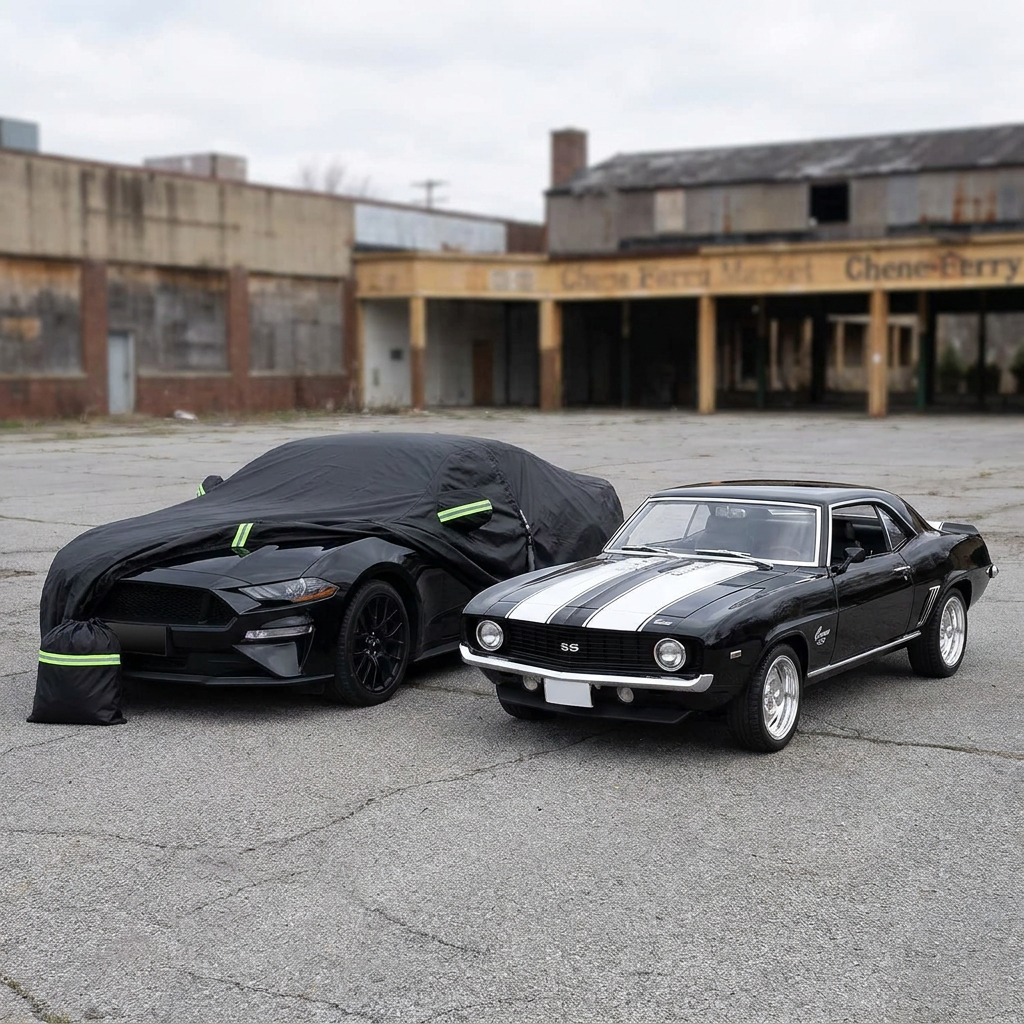
In this decision, the "best" car is the one that repeats the kind of driving you actually want—not the one that wins a single number.
Configuration matters more than the badge: transmission, tires, and packages can change results and feel in decisive ways.
Reliability and real costs depend heavily on the specific example and its history: documentation and coherent use matter more than generic arguments.